Showing posts with label perio. Show all posts

Thursday, July 13, 2017

Prevent Gum Recession

Your teeth may go through a lot throughout the years, but they are meant to last a lifetime and can look and function properly well into your senior years. Enamel is the hardest substance in your body making teeth resilient; along with the help of your gums. Your gums don't just provide an aesthetically pleasing smile, they protect the dentin and roots below the enamel covering too.

With time, gums recede from their normal place due to a number of reasons. This does not only look unattractive, but it can expose your teeth to disease and cause sensitivity to biting pressure or temperature changes.

Though there are causes for gum recession that are out of your control, there are also causes for this problem that you can control. Below are some things you can do to help prevent gum recession.
  • Avoid over-aggressive brushing
  • Daily brushing and flossing
  • Visit your dentist for cleanings and check-ups
  • Consider orthodontic treatment for malocclusion
If you begin to see signs of gum problems such as swelling, bleeding or pain, schedule an appointment at Lubbock Periodontics for an examination and treatment. The first step to correcting gum issues is early detection of the problem and proper treatment. If you would like more information on the treatment and prevention of gum disease, please visit our website or give us a call at 806-794-8365.

Monday, June 26, 2017

Periodontal Disease & Diabetes

It has been proven that people that have diabetes are more likely to have periodontal disease thanpeople without diabetes. Diabetes occurs when blood sugar is too high. Your blood always has some glucose in it because your body needs glucose for energy to keep you going. But too much glucose in the blood isn't good for your health. Those with diabetes are also more susceptible to contracting infections, which why they are more likely to develop periodontal disease.

Here are ways in which diabetes and periodontal disease are linked: 
  • Increased blood sugar – Moderate and severe periodontal disease elevates sugar levels in the body, increasing the amount of time the body has to function with high blood sugar. This is why diabetics with periodontitis have difficulty keeping control of their blood sugar. In addition, the higher sugar levels found in the mouth of diabetics provide food for the very bacteria that worsen periodontal infections. 
  • Blood vessel thickening – The thickening of the blood vessels is one of the other major concerns for diabetes sufferers. The blood vessels normally serve a vital function for tissues by delivering nutrients and removing waste products. With diabetes, the blood vessels become too thick for these exchanges to occur. This means that harmful waste is left in the mouth and can weaken the resistance of gum tissue, which can lead to infection and gum disease. 
  • Smoking – Tobacco use does a great deal of damage in the oral region. Not only does tobacco use slow the healing process, it also vastly increases the chances of an individual developing periodontal disease. For diabetics who smoke, the risk is exponentially greater. In fact, diabetic smokers aged 45 and over are twenty times more likely to develop periodontal disease. 
  • Poor oral hygiene – It is essential for diabetics to maintain excellent levels of oral health. When daily brushing and flossing does not occur, the harmful oral bacteria can ingest the excess sugar between the teeth and colonize more freely below the gum line. This exacerbates the metabolic problems that diabetes sufferers experience.
It is important that people suffering from any type of diabetes to see the dentist at least twice yearly for checkups and professional cleanings. For those who have diabetes and contract periodontal disease we do have treatment options available. For more information on periodontal disease and diabetes visit our site lubbockperiodontics.com 

Thursday, January 26, 2017

Healthy Super Bowl Snacks

Are you ready for some football? With the Super Bowl around the corner, many of you will be hosting or attending fun parties that demand super snacks, but they don't have to be at the expense of your teeth. That’s why Lubbock Periodontics put together a few tasty game day snacking ideas with healthy ingredients. Of course, these are snacks, and none of them are perfect. Regardless of what you eat, don’t forget to brush! Just click the name of the snack for the complete recipe!


Wednesday, October 19, 2016

Prevent Enamel From Wearing As You Age

Did you know there are only 9 Mondays left until Christmas? Where has the year gone? If you’re anything like us and time just passes you by in the blink of an eye, then you know with the passing of every min, every hour, and every day comes another year to add to your age. Though life brings so many wonderful things with the coming of age, aging can have its downside too; especially on your teeth. Contingent on your health and diet habits, tooth enamel can erode from years of chewing and biting. Unfortunately, the human body can’t replace your enamel and there really is no telling how much your teeth will wear during your lifetime.

Aside from the regular wear of tooth enamel, some health conditions can cause your teeth to wear at a faster pace than the average person. Bad habits such as grinding, chewing on nails or things like bobby pins, can often fuel your teeth to wear faster. Also, acids and tooth decay can do this too. So what can you do to prevent your teeth from wearing as you age? 

First, start by making sure you’re getting regular maintenance done. Brushing, flossing, regular check-ups and cleanings as well as exams by your general dentist will help you keep your teeth healthy as well increase longevity. Second, talk to your dentist about habits that affect your teeth, or identify them and take the initiative to seek help. For instance, those who have a problem grinding their teeth can purchase a bite guard that can prevent this habit and prevent abnormalities in your teeth.

If you would like more information on slowing the rate of tooth wear as you age, please contact Lubbock Periodontics to schedule an appointment.

Tuesday, March 15, 2016

Pinhole Surgical Technique Now Offered at Lubbock Periodontics

The Pinhole Surgical Technique is now offered by Dr. Lisa Wentz of Lubbock Periodontics. This procedure was invented by Dr. John Chao, offering patients a scalpel-free, suture free and conventional graft free way to correct gum recession.

The process is as simple as this: 

Dr. Wentz will use specially designed instruments to loosen gum tissue and glide over receded parts of the tooth through a small hold made by a needle. There is no cutting, stitching, and patients can expect very minimal post-operative symptoms. The procedure typically takes 1-2 hours and usually in most cases, patients are back to their regular daily routines the next day.

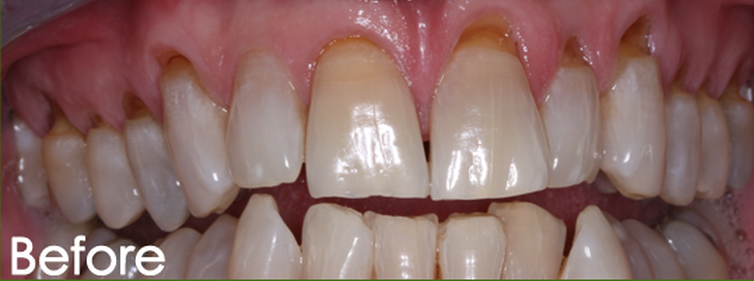
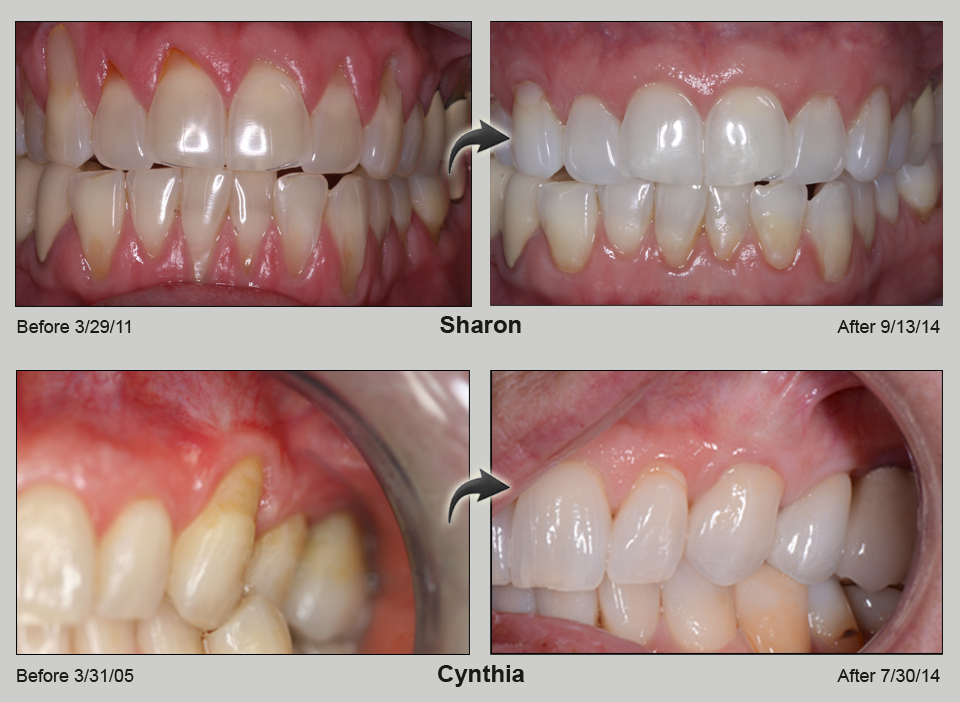
Check out some before & after photos taken from pinholesurgicaltechnique.com:


Are you interested in having this procedure done in the Lubbock area? Contact Lubbock Periodontics and schedule a consultation with Dr. Lisa Wentz.

Thursday, March 10, 2016

Pinhole Surgical Technique by Dr. Lisa Wentz

The Pinhole Surgical Technique is now offered by Dr. Lisa Wentz of Lubbock Periodontics. This procedure was invented by Dr. John Chao, offering patients a scalpel-free, suture free and conventional graft free way to correct gum recession.

The process is as simple as this:

Dr. Wentz will use specially designed instruments to loosen gum tissue and glide over receded parts of the tooth through a small hold made by a needle. There is no cutting, stitching, and patients can expect very minimal post-operative symptoms. The procedure typically takes 1-2 hours and usually in most cases, patients are back to their regular daily routines the next day.

Check out some before & after photos taken from pinholesurgicaltechnique.com:


www.pinholesurgicaltechnique.com

www.pinholesurgicaltechnique.com
Are you interested in having this procedure done in the Lubbock area? Contact Lubbock Periodontics and schedule a consultation with Dr. Lisa Wentz.

Wednesday, February 10, 2016

Common Causes of Gum Recession


Gum recession is an incredibly widespread problem that is diagnosed and treated on a daily basis. It is important to thoroughly examine the affected areas and make an accurate diagnosis of the actual underlying problem. Once the cause of the gum recession has been determined, surgical and non-surgical procedures can be performed to halt the progress of the recession, and prevent it from occurring in the future. 

The most common causes of gingival recession are: 

Overaggressive brushing – Over brushing can almost be as dangerous to the gums as too little. Brushing too hard or brushing with a hard-bristled toothbrush can erode the tooth enamel at the gum line, and irritate or inflame gum tissue. 

Poor oral hygiene – When brushing and flossing are performed improperly or not at all, a plaque buildup can begin to affect the teeth. The plaque contains various bacterial toxins which can promote infection and erode the underlying jawbone. 

Chewing tobacco – Any kind of tobacco use has devastating effects on the entire oral cavity. Chewing tobacco in particular, aggravates the gingival lining of the mouth and causes gum recession if used continuously. 

Periodontal disease – Periodontal disease can be a result of improper oral hygiene or caused by systemic diseases such as diabetes. 

The excess sugars in the mouth and narrowed blood vessels experienced by diabetics create a perfect environment for oral bacteria. 

The bacterium causes an infection which progresses deeper and deeper into the gum and bone tissue, eventually resulting in tooth loss.

If you have any questions or concerns about periodontal disease, periodontal treatments, or gum recession, please ask Dr. Lisa Wentz of Lubbock Periodontics.

Wednesday, January 20, 2016

Osteoporosis and Periodontal Disease Diag & Treatments


Osteoporosis and periodontal disease are much less dangerous if they are diagnosed in the early stages. Once a diagnosis has been made, the dentist will generally work with the patient's doctor to ensure that both diseases are effectively controlled. 

Here are some methods commonly used to diagnose and treat the diseases: 

Routine dental x-rays – X-rays can be effectively used to screen for bone loss in the upper and lower jaw, and the dentist can provide interventions for preventing and treating periodontal disease. It is believed that minimizing periodontal disease will help treat osteoporosis. 

Estrogen supplements – Providing post-menopausal women with estrogen supplements lowers the rate of attachment loss and also lowers gingival inflammation, which in turn protects the teeth from periodontal disease. 

Assessment of risk factors – Dentists and doctors are able to closely monitor the patients that are at an increased risk of developing both diseases by assessing family history, medical history, X-ray results, current medications and modifiable risk factors. Tobacco use, obesity, poor diet and estrogen deficiency can all be managed using a combination of education, support and prescription medications. 

If you have any questions about periodontal disease and its connection with osteoporosis, please ask Dr. Lisa M. Wentz.

Tuesday, December 15, 2015

Signs & Symptoms of Periodontal Disease

It is extremely important to note that periodontal disease can progress without any signs or symptoms such as pain. This is why regular dental checkups are exceptionally important. Described below are some of the most common signs and symptoms of periodontitis. 


Unexplained bleeding – Bleeding when brushing, flossing or eating food is one of the most common symptoms of a periodontal infection. The toxins in plaque cause a bacterial infection which makes the tissues prone to bleeding.

Pain, redness or swelling – A periodontal infection may be present if the gums are swollen, red or painful for no apparent reason. It is essential to halt the progression of the infection before the gum tissue and jaw bone have been affected. It is also critical to treat the infection before it is carried into the bloodstream to other areas of the body.

Longer-looking teeth – Periodontal disease can lead to gum recession. The toxins produced by bacteria can destroy the supporting tissue and bones, thus making the teeth look longer and the smile appear more “toothy.”

Bad breath/halitosis – Although breath odor can originate from back of the tongue, the lungs and stomach, from the food we consume, or from tobacco use, bad breath may be caused by old food particles which sit between the teeth and underneath the gumline. The deeper gum pockets are able to house more debris and bacteria, causing a foul odor.

Loose teeth/change in bite pattern – A sign of rapidly progressing periodontitis is the loosening or shifting of the teeth in the affected area. As the bone tissue gets destroyed, teeth that were once firmly attached to the jawbone become loose or may shift in position.

Pus – Pus oozing from between the teeth is a definitive sign that a periodontal infection is in progress. The pus is a result of the body trying to fight the bacterial infection.

If you have any of these signs or symptoms, the advice of Dr. Lisa Wentz should be sought as soon as possible.

Wednesday, August 26, 2015

What is a Periodontist?


A periodontist is a dentist who specializes in the soft tissues of the mouth and the underlying jawbone which supports the teeth. A dentist must first graduate from an accredited dental school before undertaking an additional three years of study within periodontology residency training program, in order to qualify as a periodontist. The primary focus of this residency training is on both surgical and non-surgical management of periodontal disease and the placement of dental implants.

Periodontists often treat more problematic periodontal cases, such as those with severe gum disease or a complex medical history. Periodontists offer a wide range of treatments, such as scaling and root planing (in which the infected surface of the root is cleaned) or root surface debridement (in which damaged tissue is removed). They can also treat patients with severe gum problems using a range of surgical procedures. In addition, periodontists are specially trained in the placement, maintenance, and repair of dental implants.

Who Is Your Periodontist?

Dr. Lisa Wentz is your provider of periodontal care. Dr. Wentz is a Diplomate of the American Academy of Periodontology, and currently the only board certified periodontist between Dallas and Albuquerque. She is a member of the American Academy of Periodontology, Southwest Society of Periodontist, and Texas Society of Periodontists. She is also a member of the American Dental Association, Texas Dental Association, and South Plains District Dental Society, where she has served in many offices, including past-president. Dr. Wentz has lectured to dental colleagues as well as the medical community on periodontal plastic surgery and the links between periodontal disease and systemic diseases.

For more information regarding periodontics and learn more about the services offered at our practice please visit lubbockperiodontics.com.

Source: Perio.org