Showing posts with label gum recession. Show all posts

Tuesday, June 9, 2020

Periodontal Disease Prevention


Lubbock Periodontics

Periodontal disease, also known as gum disease, is caused when bacteria in plaque builds up between the gums and teeth. When the bacteria begin to grow, the gums surrounding the tooth can become inflamed.

If left untreated, this inflammation can cause the gums and supporting bone structure to deteriorate. This can lead to gum recession and even tooth loss. In addition, research has shown that gum disease may be associated with other diseases, such as diabetes and heart disease. 

Thankfully, periodontal disease can be prevented. Adding these habits to your daily routine can help.
  • Brush your teeth. Brushing after meals helps remove food debris and plaque trapped between your teeth and gums. Don’t forget to include your tongue, bacteria loves to hide there. 
  • Floss. Flossing at least once a day helps remove food particles and plaque between teeth and along the gum line that your toothbrush can’t quite reach. 
  • Swish with mouthwash. Using a mouthwash can help reduce plaque and can remove remaining food particles that brushing and flossing missed. 
  • Know your risk. Age, smoking, diet and genetics can all increase your risk for periodontal disease. If you are at increased risk, be sure to talk with your dental professional. 
  • See Dr. Lisa Wentz. Get an annual comprehensive periodontal evaluation Dr. Lisa Wentz at Lubbock Periodontics. She will look at your teeth, plaque level, gums, bite, bone structure and other risk factors for periodontal disease. 

Identifying symptoms of gum disease early is key to protecting your teeth and gums.

Wednesday, February 19, 2020

Gum Disease Awareness Month

gum disease awareness month


According to the Centers for Disease Control and Prevention, half of adults age 30 and older suffer from some form of gum disease. Gum disease comes with silent symptoms that often are easy to overlook. February is National Gum Disease Awareness Month. An important reminder to ensure your gums are healthy and that we are taking the necessary precautions to ensure our gums are in the best health possible.

A periodontist is a dentist who specializes in the soft tissues of the mouth and the underlying jawbone which supports the teeth. A dentist must first graduate from an accredited dental school before undertaking an additional three years of study within a periodontology residency training program, in order to qualify as a periodontist.

So if your wondering, when you see a periodontist and how a periodontist can help your smile, consider if you have or are experiencing one of the following symptoms.

  • Red, swollen or tender gums or other pain in your mouth
  • Bleeding while brushing, flossing, or eating hard food
  • Gums that are receding or pulling away from the teeth, causing the teeth to look longer than before
  • Loose or separating teeth
  • Pus between your gums and teeth
  • Sores in your mouth
  • Persistent bad breath
  • A change in the way your teeth fit together when you bite
  • A change in the fit of partial dentures

gum disease month

Tuesday, November 12, 2019

Smoking and Gum Disease


Your smile is the extension of who you are, the first impression for mosts. According to the Centers for Disease Control and Prevention, half of the adults age 30 and older suffer from some form of gum disease. Gum disease comes with silent symptoms that often are easy to overlook.

It’s no secret the health benefits of quitting smoking and not smoking at all. Smoking increases an individual's risks of various types of cancer, such as cancer in our lungs, pancreas, stomach and anywhere else in our bodies. Smoking also can lead to respiratory diseases and other different health factors. According to the Centers for Disease Control and Prevention, “Cigarette smoking harms nearly every organ of the body, causes many diseases, and reduces the health of smokers in general.” It contributes to causing more than 480,000 deaths each year in the United States. This is nearly one in five deaths.

By quitting smoking, not only does your overall health can improve, your smile and gums benefit as well. Here are a few reasons why smoking impacts your gums, teeth and overall smile in a negative way.

  • Stained teeth and tongue
  • Slow healing after a tooth extraction or other surgery
  • Difficulties in correcting cosmetic dental problems 
  • Gum disease
  • Oral cancer

If you have any questions or would like to set up a consultation, request an appointment here.

Wednesday, August 21, 2019

Take a Smile Analysis


A smile says a lot about you and hiding your smile is not a way to go through life. Your smile affects your self-image, and can greatly influence the quality of your interactions with your friends, neighbors and any other individual. Many people hold back from laughing or smiling because they are uncomfortable about their appearance when they do.

We have designed a “Smile Analysis,” that will help you appraise your smile. Take the full analysis here:


Wednesday, July 17, 2019

The Correct Way to Floss


We all have gone to the dentist fearing a particular question, deciding whether to be honest or fib. “Have you been flossing?” We all know the importance of flossing and the health benefits flossing has on our gums, teeth and overall health.

Flossing is one of the best defenders against gum disease. Gum disease comes with various symptoms that are silent and difficult to notice at first. Our personal oral hygiene routine plays an important role in achieving a healthy smile, starting with out gums.

By flossing daily, we ensure that our teeth are as clean as possible (between teeth and under our gumline). Flossing disrupts plaque colonies from building up, preventing damage to the gums, teeth, and bone.

1. Take 12-16 inches (30-40cm) of dental floss and wrap it around your middle fingers, leaving about 2 inches (5cm) of floss between the hands.

2. Using your thumbs and forefingers to guide the floss, gently insert the floss between teeth using a sawing motion.

3. Curve the floss into a "C" shape around each tooth and under the gumline. Gently move the floss up and down, cleaning the side of each tooth.

Floss holders are recommended if you have difficulty using conventional floss. Learn more on how to take your personal home care to the next level.

Wednesday, May 15, 2019

When Should I see a Periodontist?


You may have heard of gum disease, the importance of flossing and keeping your teeth healthy.
Gum disease (or periodontal disease) affects millions of people every year, it’s the leading cause of tooth loss among adults. Seeing a periodontist and recognizing the symptoms of gum disease can help your smile healthy.

A periodontist is a dentist who specializes in the soft tissues of the mouth and the underlying jawbone which supports the teeth. A dentist must first graduate from an accredited dental school before undertaking an additional three years of study within periodontology residency training program, in order to qualify as a periodontist.

So if your wondering, when you see a periodontist and how a periodontist can help your smile, consider if you have or are experiencing one of the following symptoms.

  • Red, swollen or tender gums or other pain in your mouth
  • Bleeding while brushing, flossing, or eating hard food
  • Gums that are receding or pulling away from the teeth, causing the teeth to look longer than before
  • Loose or separating teeth
  • Pus between your gums and teeth
  • Sores in your mouth
  • Persistent bad breath
  • A change in the way your teeth fit together when you bite
  • A change in the fit of partial dentures

Because gum disease symptoms are silent and go unnoticed until an advanced stage, it can be difficult for people to notice. Millions of people don't know they have this serious infection that can lead to tooth loss if not treated. If you have any questions, or would like to set up a consultation, request an appointment here.

Wednesday, April 17, 2019

National Oral Cancer Month


April is National Oral Cancer Awareness Month! This month, the goal is to raise awareness on the importance of performing monthly self-exams and recognizing the signs of oral cancer. “According to MouthHealthy.org, the ADA’s consumer website, over 51,500 people are diagnosed with cancers of the mouth, throat, tonsils and tongue each year.”

Be sure you are checking for anything that looks and feels abnormal:

  • Any sore or ulceration that does not heal within 14 days.
  • Any abnormality that bleeds easily when touched.
  • A lump or hard spot in the tissue, usually border of the tongue.
  • A sore under a denture, which even after adjustment of the denture, that does not heal.
  • A lump or thickening that develops in the mouth.

“Historically, those at an especially high risk of developing oral cancer have been heavy drinkers and smokers older than age 50.”  If you notice any unusual changes to your gums or mouth, contact us. 

Monday, March 25, 2019

Gum Disease and Kids


Did you know periodontal disease can also affect children? According to AAP, aggressive periodontitis and generalized aggressive periodontitis are types of gum disease in children.

Types of Periodontal Disease in Children: 

Chronic gingivitis is common in children. This can cause gum tissue to swell, turn red and bleed easily. Aggressive periodontitis can affect older children such as teenagers, even young adults. Localized aggressive periodontitis can mainly affects the first molars.

Generalized aggressive periodontitis may begin around puberty and involve the entire mouth. Symptoms include the  inflammation of the gums and heavy accumulations of plaque. Eventually it can cause the teeth to become loose.

Overall puffiness in gums, bleeding and recession are all noticeable symptoms of gum disease. Some simple ways to avoid gum disease in children is to establish a oral hygiene routine that involves brushing and flossing every night. Schedule dental visits for periodontal check-ups, and regular cleanings. Checking your child's mouth, especially when they are young, can also help identify symptoms, before they get worse.


Wednesday, February 13, 2019

3 Things to Do if Your Gums are Bleeding


As your brushing your teeth you notice a bit of pink when you spit out toothpaste or while flossing. It may not seem like a big deal, however if your gums are bleeding constantly, do not ignore it. This can be a sign of periodontal disease.

Switching up your oral health routine can also contribute to slight bleeding. Here are three things you can do if your gums are bleeding.

  • Tools: You have begun flossing and brushing regularly, congratulations! However, if you are experiencing bleeding, take a second look at your tools such as your toothbrush. “Although it might seem that a toothbrush with medium or firm bristles cleans your teeth and gums more deeply or thoroughly, harder bristles usually just cause irritation – which can be why your gums are bleeding.”
  • Diet: “What you eat and when you eat it also plays a part in keeping your gums from bleeding. Foods that contain lots of sugar or simple carbohydrates increase your risk for tooth and gum problems, as sugar creates an ideal environment for plaque to form. Commit to a diet that is low in sugar and high in the necessary nutrients found in foods like vegetables.”
  • Mouthwash: Utilize mouthwash to wash away bacteria and plaque. There are various types of mouthwash, so be sure to use the appropriate one for your oral health needs. 

Wednesday, August 23, 2017

What does bone grafting treatment involve?

Bone grafting is a fairly simple procedure which may be performed under local anesthetic; however if large amounts of bone area need to be grafted, general anesthetic may be required. 

Initially, the grafting material needs to either be harvested or prepared for insertion. A small incision is made in the gum tissue and then gently separated from the bone. The bone grafting material is then placed at the affected site.

The bone regeneration process may be aided by:

Gum/bone tissue regeneration – A thin barrier (membrane) is placed below the gum line over the grafting material. This barrier creates enough space for healthy tissue to grow and separates the faster growing gum tissue from the slower growing fibers. This means that bone cells can migrate to the protected area and grow naturally.

Tissue stimulating proteins – Enamel matrix proteins occur during natural tooth development. Emdogain is a matrix protein product which is usually placed on the affected site before the gum is sutured. It mediates the formation of accellular cementum on the tooth which provides a foundation to allow periodontal attachment to occur. Tissue stimulating proteins help to create lost support in areas affected by periodontal defects.

Platelet-rich growth factors
– A high platelet concentration liquid can be used to create a blood clot at the site of a wound. It has recently been discovered that PRGF also stimulates bone growth – meaning a denser graft in a shorter time period.

The gum is sutured in place and a follow up appointment will need to be made within 10 days to assess progress. Bone grafting is a highly successful treatment and a good base for further periodontal restorations.

Thursday, July 13, 2017

Prevent Gum Recession

Your teeth may go through a lot throughout the years, but they are meant to last a lifetime and can look and function properly well into your senior years. Enamel is the hardest substance in your body making teeth resilient; along with the help of your gums. Your gums don't just provide an aesthetically pleasing smile, they protect the dentin and roots below the enamel covering too.

With time, gums recede from their normal place due to a number of reasons. This does not only look unattractive, but it can expose your teeth to disease and cause sensitivity to biting pressure or temperature changes.

Though there are causes for gum recession that are out of your control, there are also causes for this problem that you can control. Below are some things you can do to help prevent gum recession.
  • Avoid over-aggressive brushing
  • Daily brushing and flossing
  • Visit your dentist for cleanings and check-ups
  • Consider orthodontic treatment for malocclusion
If you begin to see signs of gum problems such as swelling, bleeding or pain, schedule an appointment at Lubbock Periodontics for an examination and treatment. The first step to correcting gum issues is early detection of the problem and proper treatment. If you would like more information on the treatment and prevention of gum disease, please visit our website or give us a call at 806-794-8365.

Thursday, January 26, 2017

Healthy Super Bowl Snacks

Are you ready for some football? With the Super Bowl around the corner, many of you will be hosting or attending fun parties that demand super snacks, but they don't have to be at the expense of your teeth. That’s why Lubbock Periodontics put together a few tasty game day snacking ideas with healthy ingredients. Of course, these are snacks, and none of them are perfect. Regardless of what you eat, don’t forget to brush! Just click the name of the snack for the complete recipe!


Wednesday, December 14, 2016

A Mouth-Body Connection

Bacteria collect on teeth and gums daily, which is why routine brushing and flossing is essential to stopping infection. These bacteria, if left alone, develop into gum disease and begin to wreak havoc on the look and function of the smile. Teeth develop plaque and gums become sensitive, eventually leading to decay and infection. Patients with advanced periodontal disease experience gum recession and tooth loss.

Periodontal disease can enter the blood stream and spread to the heart, lungs, and can also create blood sugar problems. Individuals suffering diabetes are at greater risk for gum disease, and if your heart health isn’t optimal, it’s possible to aggravate problems by not seeking treatment for periodontitis. However, our Lubbock dentist can reverse this process if caught in time, saving your teeth and overall body health with transformative treatments.

If you think you’re suffering from gum disease, please call our office and we will schedule you for treatment as soon as possible.

Wednesday, October 19, 2016

Prevent Enamel From Wearing As You Age

Did you know there are only 9 Mondays left until Christmas? Where has the year gone? If you’re anything like us and time just passes you by in the blink of an eye, then you know with the passing of every min, every hour, and every day comes another year to add to your age. Though life brings so many wonderful things with the coming of age, aging can have its downside too; especially on your teeth. Contingent on your health and diet habits, tooth enamel can erode from years of chewing and biting. Unfortunately, the human body can’t replace your enamel and there really is no telling how much your teeth will wear during your lifetime.

Aside from the regular wear of tooth enamel, some health conditions can cause your teeth to wear at a faster pace than the average person. Bad habits such as grinding, chewing on nails or things like bobby pins, can often fuel your teeth to wear faster. Also, acids and tooth decay can do this too. So what can you do to prevent your teeth from wearing as you age? 

First, start by making sure you’re getting regular maintenance done. Brushing, flossing, regular check-ups and cleanings as well as exams by your general dentist will help you keep your teeth healthy as well increase longevity. Second, talk to your dentist about habits that affect your teeth, or identify them and take the initiative to seek help. For instance, those who have a problem grinding their teeth can purchase a bite guard that can prevent this habit and prevent abnormalities in your teeth.

If you would like more information on slowing the rate of tooth wear as you age, please contact Lubbock Periodontics to schedule an appointment.

Wednesday, September 14, 2016

Learn About the Link Between Gum Disease & Heart Disease

Did you know gum disease sufferers are nearly twice as likely to also suffer from heart disease and stroke? Studies have revealed that oral infection is certainly a risk factor for stroke. Patients diagnosed with acute cerebrovascular ischemia were shown to be more likely to also experience some degree of periodontal disease.

Additional Details
Lubbock Periodontics and your cardiologist generally work as a team in order to treat individuals experiencing both conditions to ensure each is being properly maintained.

There are several theories which may explain the link between heart disease, stroke and periodontal disease, which include the following:
  • Oral bacteria affect the heart – There are at least 13 different strains of periodontal bacteria, and some of these strains of bacteria can enter the bloodstream and attach to the fatty plaques in the heart blood vessels (coronary arteries). This then contributes to clot formation, causing grave danger to the individual. 
  • Inflammation – Periodontal disease causes severe inflammation in the gum tissue, elevating the white blood cell count and the C-reactive protein levels. Research has shown that elevated levels of C-reactive proteins have been linked to heart disease. 
  • Infectious susceptibility – Individuals who experience particularly high levels of oral bacteria may have weaker immune systems and an inadequate host inflammatory response. These factors may induce specific vascular effects which have previously been shown to contribute to the onset of certain forms of heart disease.
If you have questions or concerns about periodontal disease and its relation to heart disease and stroke, please give us a call at 806-794-8365.

Tuesday, August 9, 2016

What Is Your Role In Periodontal Health?

Dental plaque is the main cause of periodontal disease, so it's essential to remove it every day with effective brushing and flossing. This doesn't mean scrubbing, which can actually cause your gums to recede. Proper techniques can be demonstrated for you at Lubbock Periodontics by Dr. Lisa Wentz, if you have any questions.

Of course, there are some areas of the mouth that a toothbrush and floss just can't reach, which is why it's so important to have regular professional cleanings at the dental office. Your regular dental exam is also a time when early signs of gum disease can be detected — before they become apparent even to you.

Eating a nutritious diet low in sugar, and staying away from tobacco in all forms, will also increase your periodontal health — and your chances of keeping your teeth for life. If you have any further questions regarding preventing periodontal disease, contact Lubbock Periodontics.

Wednesday, July 20, 2016

How Can Laser Dentistry Help me?

Laser dentistry is incredibly versatile and plays an important role in a growing number of common dental procedures. Though laser dentistry is most notably associated with cosmetic treatments, it is equally effective for preventative purposes.

Here are some of the ways that dental lasers can be used:

Tooth preparation – Prior to laser dentistry, a drill would be required to prepare the tooth for a filling. Lasers can now completely eliminate the need for drilling and anesthesia. Lasers also successfully kill oral bacteria around the surgical site.

Reshaping soft tissue – Dental lasers can dissolve soft tissue to expose more of the natural tooth (crown lengthening), reshape soft tissue to make “gummy smiles” more attractive, and remove uncomfortable soft tissue folds caused by denture wear.

Frenectomy – Lasers can improve speech and the feeding habits of babies, children and adults by untying the tongue.

Tumor removal – When benign tumors have formed in the soft tissue areas of the mouth, a dental laser can completely remove them without causing pain. Whitening – Lasers can greatly expedite the tooth whitening process by increasing the activity of the particles in the peroxide bleaching solution.

Biopsy – Lasers are sometimes used to perform a biopsy on suspicious areas of soft tissue. This biopsy procedure can be performed instantly and with great precision

Wednesday, June 22, 2016

What are the differences between an Orthodontist, Dentist, and Periodontist?

All are dentists who specialize in oral care, and all are technically dentists.

Orthodontists complete an additional two – three years of training in orthodontics, above and beyond general dentistry

Periodontists complete and additional two – three years training to specialize in all areas of general dentistry for children

All orthodontists are dentists, but only 10 percent of dentists are orthodontists. Orthodontists limit their practice to moving teeth and correcting jaw irregularities

Dentists and Periodontists refer their patients to an orthodontist if they have problems with the alignment of their teeth or a bite abnormality of some kind. The same as a physician would refer you to a cardiologist or orthopedists if you had heart or skeletal issues.

It is important to understand the differences in treatment delivery and care! At Lubbock Periodontics all we specialize in periodontics, all day long, day in a day out, with thousands of beautiful smiles to testify over the years. For further questions, or to schedule an appointment, contact our office at (806) 794-8365.

Thursday, May 19, 2016

Do You Know Why Your Gums Are Bleeding?

Improper or inconsistent dental hygiene can lead to bacteria buildup in the mouth, which results in red, swollen, and bleeding gums. This condition, called gingivitis, is quite common, and is not particularly painful for many people. If left untreated, however, gingivitis can lead to periodontitis, which is a serious condition that can lead to tooth loss.

What Is Gingivitis?
Gingivitis will cause your gums to become red, swollen, and soft, instead of pink and firm. Your gums may bleed when you brush your teeth and/or floss, you could also have persistent bad breath. Gingivitis is caused by poor oral hygiene habits. Oral bacteria continuously form a sticky substance called plaque. If the plaque isn’t brushed off or flossed away quickly, it will harden into a substance called tartar. The presence of both plaque and tartar will irritate that part of your gums (like a splinter) and lead to gingivitis. Plaque also causes tooth decay. The good news is that if you catch gingivitis in its early stages and practice proper dental hygiene, you can reverse the effects.

You are at a risk for gingivitis if you:
  • have diabetes
  • are older
  • don’t brush and floss regularly
  • have a suppressed immune system
  • take certain medications
  • abuse drugs or alcohol
  • have dry mouth
  • are pregnant
Why Flossing is Important
One of the common things you hear people say is that they don’t floss because it makes their gums bleed. However, it’s very important to floss at least twice a day to remove the plaque that can’t be reached by a tooth brush. Even if you already have gingivitis, you should continue to floss so that plaque doesn’t have a chance to turn to tartar, which can eventually lead to periodontitis if it’s not removed. Once you’ve been brushing and flossing regularly, your gums should return to a healthy pink, and you should not see bleeding.

Tartar? Time to See a Dr. Lisa Wentz of Lubbock Periodontics 
If you notice blood during and after brushing or flossing, you should make an appointment with your Dr. Lisa Wentz. Your oral health is very important to your overall health, so call her today to set up an appointment.

Tuesday, March 15, 2016

Pinhole Surgical Technique Now Offered at Lubbock Periodontics

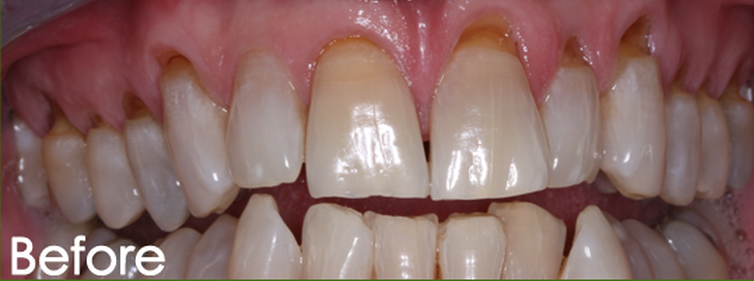
The Pinhole Surgical Technique is now offered by Dr. Lisa Wentz of Lubbock Periodontics. This procedure was invented by Dr. John Chao, offering patients a scalpel-free, suture free and conventional graft free way to correct gum recession.

The process is as simple as this: 

Dr. Wentz will use specially designed instruments to loosen gum tissue and glide over receded parts of the tooth through a small hold made by a needle. There is no cutting, stitching, and patients can expect very minimal post-operative symptoms. The procedure typically takes 1-2 hours and usually in most cases, patients are back to their regular daily routines the next day.

Check out some before & after photos taken from pinholesurgicaltechnique.com:


Are you interested in having this procedure done in the Lubbock area? Contact Lubbock Periodontics and schedule a consultation with Dr. Lisa Wentz.